Make a Match Cooperative Learning Model: Science Learning Outcomes on Natural Resource Topic at Elementary School

https://doi.org/10.51574/ijrer.v5i3.4787
Keywords:
Cooperative, Learning Model, Learning Outcomes, Make a Match, ScienceAbstract
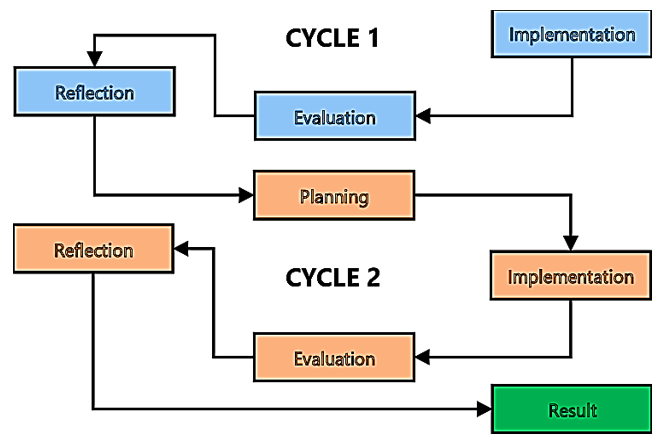
Low science learning outcomes are often caused by the lack of active student involvement in the knowledge construction process in the classroom. This study aims to describe and analyze the improvement in science learning outcomes in the natural resource material through the implementation of the Make a Match cooperative learning model for fourth-grade students at Elementary School 2 Tiakur, Southwest Maluku Regency. The method used is Classroom Action Research (CAR) model Kemmis and McTaggart which was implemented in two cycles with 25 students. Data was collected through observation techniques, learning outcome tests, and documentation, then analyzed descriptively. The results of the study showed a significant progressive increase in each stage. In the pre-cycle stage, the average class score was only 65 with a very low classical completeness, namely 12%. The implementation of the first cycle increased the average score to 70 with a completeness level of 60%. In the second cycle, student achievement increased sharply to an average score of 79 and successfully achieved 100% classical completeness. The conclusion of this study empirically proves that the Make a Match cooperative learning model is effective in improving students' science learning outcomes comprehensively, encompassing the cognitive, psychomotor, and affective domains. This research contribution provides a practical solution for educators in island regions in optimizing student participation through interactive and enjoyable learning models.
References
Aini, I. Q., Alim, R. F., & Firmansyah, Y. (2025). Implementation of Jean Piaget's Cognitive Development Theory in Science Learning in Elementary Schools and Its Relevance to SDGs 4. Journal on Smart Learning Technologies, 1(2), 77-97. https://journal.unesa.ac.id/index.php/jslt/article/view/46866
Chen, B. (2023). Influence of cooperative learning on learners’ motivation: the case of Shenzhen primary school. Education 3-13, 51(4), 647-671. https://doi.org/10.1080/03004279.2021.1998179
Fauhah, H., & Rosy, B. (2020). Analisis Model Pembelajaran Make A Match Terhadap Hasil Belajar Siswa. Jurnal Pendidikan Administrasi Perkantoran (JPAP), 9(2), 321–334. https://doi.org/10.26740/jpap.v9n2.p321-334
Fitri, F. (2022). The Impact of Reading Interest and Learning Habits on Students' Achievement for Integrated Science Learning. ETDC: Indonesian Journal of Research and Educational Review, 1(4), 581-587. https://doi.org/10.51574/ijrer.v1i4.691
Hadijah, S., Nisa, K., & Syahrul Jiwandono, I. (2022). Pengaruh Model Make A Match terhadap Minat Belajar Peserta Didik pada Muatan Materi PPKn Kelas IV SDN 26 Cakranegara Tahun Pelajaran 2021/2022. PENDAGOGIA: Jurnal Pendidikan Dasar, 2(2), 103–112. https://jurnal.educ3.org/index.php
Hasanah, A. N., Baharudin, B., & Hasnanto, A. T. (2025). Think of Pair Share Learning Model on Student Learning Activity in Science Subjects at State Elementary Madrasah. ETDC: Indonesian Journal of Research and Educational Review, 5(1), 331-346. https://doi.org/10.51574/ijrer.v5i1.4200
Ilmi, N., Wulan, N. S., & Wahyudin, D. (2021). Gerakan Literasi Sekolah dalam Meningkatkan Minat Baca Siswa Sekolah Dasar. Edukatif: Jurnal Ilmu Pendidikan, 3(5), 2866–2873. https://doi.org/10.31004/edukatif.v3i5.990
Juhji. (2017). Model Pembelajaran Kooperatif Tipe Make a Match Dalam Pembelajaran IPA. Primary : Jurnal Keilmuan Dan Kependidikan Dasar, 9(1), 9–16. https://ftk.uinbanten.ac.id/journals/index.php/primary/article/view/313
Juliani, A., Mustadi, A., & Lisnawati, I. (2021). “Make A Match Model” for Improving the Understanding of Concepts and Student Learning Results. Indonesian Journal on Learning and Advanced Education (IJOLAE), 48-56. https://doi.org/10.23917/ijolae.v3i1.10269
Karmada, G. (2023). Model Pembelajaran Kooperatif Tipe Make a Match Untuk Meningkatkan Hasil Belajar Tematik Melalui Google Meet Pada Siswa Kelas II SD. Indonesian Journal of Instruction, 4(2), 76–84. https://doi.org/10.23887/iji.v4i2.60573
Kebede, Y. A., Zema, F. K., Geletu, G. M., & Zinabu, S. A. (2025). Cooperative Learning Instructional Approach and Student’s Biology Achievement: A Quasi-Experimental Evaluation of Jigsaw Cooperative Learning Model in Secondary Schools in Gedeo Zone, South Ethiopia. Sage Open, 15(1), 21582440251318883. https://doi.org/10.1177/21582440251318883
Kencono, M. R., & Harjono, N. (2023). Model Pembelajaran Kooperatif Tipe Make A Match Untuk Meningkatkan Minat dan Hasil Belajar Matematika Siswa. Jurnal Educatio FKIP UNMA, 9(3), 1190–1197. https://doi.org/10.31949/educatio.v9i3.5038
Khoerunisa, A., & Saputra, E. R. (2024). Keberhasilan Penggunaan Media dan Model Pembelajaran Make A Match Dalam Meningkatkan Minat Peserta Didik Terhadap Pembelajaran Bahasa Inggris di SDN Angkasa. Jurnal Ilmiah Pendidik Indonesia, 3(1), 36–45. https://doi.org/10.56916/jipi.v3i1.654
Latif, A., Nasution, H. A., Desniarti, D., Aulia, U., & Tamimi, A. (2024). Penerapan Model Pembelajaran Kooperatif Tipe Make A Match untuk Meningkatkan Hasil Belajar Matematika Siswa. Journal on Education, 6(4), 21098–21109. https://doi.org/10.31004/joe.v6i4.6247
Mairina, V., & Amini, R. (2021). Peningkatan Hasil Belajar IPA Melalui Model Pembelajaran Kuantum di Sekolah Dasar. Jurnal Basicedu, 5(2). https://doi.org/10.31004/basicedu.v5i2.766
Maknum, M. L. (2024). Penerapan Model Pembelajaran Kooperatif tipe Make A Match untuk Meningkatkan Hasil Belajar Matematika Siswa Kelas V SD. Jurnal Pendidikan Guru Sekolah Dasar, 2(1), 25. https://doi.org/10.70713/pjp.v4i1.57736
Mikran, Pasaribu, M., & Darmadi, I. W. (2018). Penerapan Model Pembelajaran Kooperatif Tipe Make A Match untuk Meningkatkan Hasil Belajar Siswa. Jurnal Pendidikan Fisika Tadulako (JPFT), 2(2). https://doi.org/10.56842/jp-ipa.v6i01.521
Muslikah, A., Amriyah, C., & Ningrum, A. R. (2025). Make A Match Learning Model on Learning Outcomes in Elementary Schools: A Bibliometric Analysis. ETDC: Indonesian Journal of Research and Educational Review, 5(1), 359-377. https://doi.org/10.51574/ijrer.v5i1.4271
Ngoc Tuong Nguyen, T., & Thi Kim Oanh, D. (2025). Cooperative learning and its influences on student engagement. Cogent Education, 12(1), 2513414. https://doi.org/10.1080/2331186X.2025.2513414
Oktavianingrum, N. H., Salimi, M., & Indrapangastuti, D. (2025). Penerapan Model Pembelajaran Kooperatif Tipe Make A Match dalam Meningkatkan Keterampilan Sosial dan Hasil Belajar IPAS pada Siswa Kelas V SD. Kalam Cendekia: Jurnal Ilmiah Kependidikan, 13(1). https://doi.org/10.20961/jkc.v13i1.88475
Prasetyo, Y., Mursidik, E. M., & Winarno. (2023). Peningkatan Hasil Belajar Menggunakan Model Pembelajaran Kooperatif Tipe Make A Match di Kelas V SD. Jurnal Pengambangan Pendidikan Dasar, 7(2), 280–290.
Putri, E. N. D., & Taufina. (2021). Pengaruh Model Kooperatif Tipe Make A Match Terhadap Hasil Belajar Siswa Di Sekolah Dasar. Jurnal Basicedu, 5(5), 3(2), 524–532. https://doi.org/10.31004/basicedu.v4i3.405
Rahmawati, D., & Sartono, E. K. E. (2018). Peningkatan Hasil Belajar Matematika Siswa Melalui Model Pembelajaran Kooperatif Tipe Make a Match. Jurnal Pendidikan Guru Sekolah Dasar, 30(7), 2976.
Salimah, M. N., & Pritasari, A. C. (2024). Pengaruh Kooperatif Tipe Make A Match terhadap Hasil Belajar Kognitif Muatan Matematika Siswa Sekolah Dasar. JUDIKDAS: Jurnal Ilmu Pendidikan Dasar Indonesia, 3(3), 144–154. https://doi.org/10.51574/judikdas.v3i3.1233
Sambawarna, A. A. N. (2022). Model Pembelajaran Kooperatif Tipe Make a Match Untuk Meningkatkan Hasil Belajar. Journal of Education Action Research, 6(4). https://doi.org/10.23887/jear.v6i4.45871
Sucahyo, M. (2022). Model Pembelajaran Kooperatif Make a Match di Sekolah Dasar. Kalam Cendekia: Jurnal Ilmiah Kependidikan, 10(2), 382-390. https://doi.org/10.20961/jkc.v10i2.65659
Suci, Y. T. (2018). Menelaah Teori Vygotsky Dan Interdepedensi Sosial Sebagai Landasan Teori Dalam Pelaksanaan Pembelajaran Kooperatif Di Sekolah Dasar. NATURALISTIC : Jurnal Kajian Penelitian Pendidikan Dan Pembelajaran, 3(1), 231–239. https://doi.org/10.35568/naturalistic.v3i1.269
Sulhan, S. (2020). Penerapan Model Pembelajaran Make A Match untuk Meningkatkan Hasil Belajar IPA Materi Organ Peredaran Darah dan Fungsinya. Jurnal Ilmiah Sekolah Dasar, 4(1), 1. https://doi.org/10.23887/jisd.v4i1.23735
Syachruroji, A., Leksono, S. M., Fathurrohman, M., & Khastini, R. O. (2024). Exploring Research Trends in Science Education to be Implemented in the Elementary School. International Journal of STEM Education for Sustainability, 4(2), 253-266. https://doi.org/10.53889/ijses.v4i2.399
Utami, A. D., & Helsa, Y. (2025). Improving Student Learning Outcomes on Angle Material Using the Cooperative Learning Model Type Make a Match in Grade V of Elementary School. Asian Journal of Early Childhood and Elementary Education, 3(3), 319–330. https://doi.org/10.58578/AJECEE.v3i3.5557
Wahyuningtyas, R., & Zulherman. (2022). Model Pembelajaran Kooperatif Type Index Card Match Terhadap Hasil Belajar IPA Kelas IV SD. Journal of Instructional and Development Researches, 2(3), 88–94. https://doi.org/10.53621/jider.v2i3.130
Yustiawati, T., Iskandar, I., & Fatmasari, E. (2024). Make A Match Learning Model for High School Students': A Study of Students' Ability to Write Procedure Texts. ETDC: Indonesian Journal of Research and Educational Review, 4(1), 35-44. https://doi.org/10.51574/ijrer.v4i1.365
Zega, M. C., & Zega, N. A. (2023). Model Kooperatif Tipe Make a Meningkatkan Keaktifan Pembelajaran Match Untuk Peserta Didik Smp Negeri 2 Sitolu Ori. Jurnal Review Pendidikan Dan Pengajaran, 6(3), 228–237.
Downloads
Published
How to Cite
Issue
Section
License
Copyright (c) 2026 Sin Algonda Porsiana, Johanes Pelamonia, Lestari Lestari

This work is licensed under a Creative Commons Attribution-ShareAlike 4.0 International License.