Digital Media-Assisted Problem Based Learning Model: Students' Learning Outcomes and Science Literacy at Middle School

https://doi.org/10.51574/ijrer.v5i1.4447
Keywords:
Digestive System, Digital Media, Learning Outcomes, Problem Based Learning, Scientific LiteracyAbstract
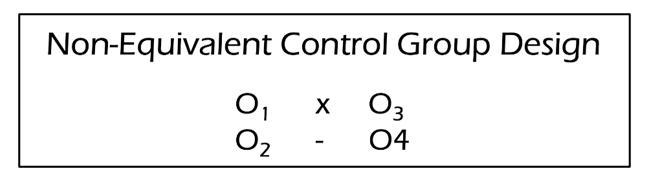
Low scientific literacy and student learning outcomes in science subjects are often caused by conventional learning processes and the lack of technological integration in solving real-world problems. This study aims to analyze the effect of implementing the Problem-Based Learning (PBL) learning model assisted by digital media on students' learning outcomes and scientific literacy in the digestive system material. This study used a quantitative approach with a quasi-experimental nonequivalent control group design. The research subjects consisted of two eighth-grade classes in a public junior high school, where the experimental class implemented PBL assisted by digital media (n=30) and the control class used conventional learning (n=30). Data was collected through learning outcome tests and scientific literacy tests, then analyzed using an independent sample t-test. The results showed a statistically significant difference between students' learning outcomes and scientific literacy in the two classes (p < 0.001). The experimental class achieved an average posttest learning outcome of 82.10, higher than the control class's 74.30. For the scientific literacy variable, the experimental class achieved an average of 79.40, while the control class achieved 71.20. The effect sizes found were categorized as strong, namely 1.17 for learning outcomes and 1.16 for scientific literacy. This study proves that the integration of digital media in PBL syntax is effective in improving students' cognitive achievement and science process skills. This research provides a practical contribution for educators in implementing innovative learning strategies relevant to the digital era to create more applicable and meaningful science learning.
References
Almeida, B., Santos, M., & Justi, R. (2023). Aspects and abilities of science literacy in the context of nature of science teaching. Science & Education, 32(3), 567-587. https://doi.org/10.1007/s11191-022-00324-4
Anggraeni, D. M., Prahani, B. K., Suprapto, N., Shofiyah, N., & Jatmiko, B. (2023). Systematic review of problem based learning research in fostering critical thinking skills. Thinking Skills and Creativity, 49, 101334. https://doi.org/10.1016/j.tsc.2023.101334
Arsyad, M., & Syakhrani, A. W. (2024). The efficiency of using visual learning media in improving the understanding of science concepts in elementary school students. Indonesian Journal of Education (INJOE), 4(1), 775-787. http://felifa.net/index.php/INJOE/article/view/234
Arviani, F. P., Wahyudin, D., & Dewi, L. (2023). The effectiveness of problem based learning model in improving students' higher order thinking skills. JPI (Jurnal Pendidikan Indonesia), 12(4), 627-635. https://doi.org/10.23887/jpiundiksha.v12i4.65606
Berg, T. B., Achiam, M., Poulsen, K. M., Sanderhoff, L. B., & Tøttrup, A. P. (2021). The role and value of out-of-school environments in science education for 21st century skills. In Frontiers in Education (Vol. 6, p. 674541). Frontiers Media SA. https://doi.org/10.3389/feduc.2021.674541
Cantona, I. G. E., Suastra, I. W., & Ardana, I. M. (2023). HOTS oriented problem-based learning model: Improving critical thinking skills and learning outcomes of fifth grade students in science learning. Thinking Skills and Creativity Journal, 6(1), 19-26. https://doi.org/10.23887/tscj.v6i1.61654
Cavanagh, T. M., & Kiersch, C. (2023). Using commonly-available technologies to create online multimedia lessons through the application of the Cognitive Theory of Multimedia Learning. Educational technology research and development, 71(3), 1033-1053. https://doi.org/10.1007/s11423-022-10181-1
Çeken, B., & Taşkın, N. (2022). Multimedia learning principles in different learning environments: A systematic review. Smart Learning Environments, 9(1), 19. https://doi.org/10.1186/s40561-022-00200-2
de Jong, T. (2019). Moving towards engaged learning in STEM domains: There is no simple answer, but clearly a road ahead. Journal of Computer Assisted Learning, 35(2), 153–167. https://doi.org/10.1111/jcal.12337
Fortus, D., Lin, J., Neumann, K., & Sadler, T. D. (2022). The role of affect in science literacy for all. International Journal of Science Education, 44(4), 535-555. https://doi.org/10.1080/09500693.2022.2036384
Hasbi, M., & Fitri, F. (2023). Pre-Service Teachers with Courses in Problem-Based Learning in Mathematics. ETDC: Indonesian Journal of Research and Educational Review, 2(2), 51-60. https://doi.org/10.51574/ijrer.v2i2.588
Hillmayr, D., Ziernwald, L., Reinhold, F., Hofer, S. I., & Reiss, K. M. (2020). The potential of digital tools to enhance mathematics and science learning in secondary schools: A context-specific meta-analysis. Computers & Education, 153, 103897. https://doi.org/10.1016/j.compedu.2020.103897
Ikawati, E., & Pohan, J. (2023). Developing Problem-Based Inquiry Model in Indonesian Learning in General High Schools. JOLLT Journal of Languages and Language Teaching, 11(4), 834-845. https://doi.org/10.33394/jollt.v11i4.8978
Ismaniati, C., Lindra, A. T., & Pratama, H. A. P. (2025). Problem-Based Inquiry Method: Improving Critical Thinking Skills, Academic Outcomes, and Learning Motivation. Jurnal Iqra': Kajian Ilmu Pendidikan, 10(1), 165-183. https://journal.iaimnumetrolampung.ac.id/index.php/ji/article/view/5718
Kefalis, C., Skordoulis, C., & Drigas, A. (2025). Digital simulations in STEM education: Insights from recent empirical studies, a systematic review. Encyclopedia, 5(1), 10. https://doi.org/10.3390/encyclopedia5010010
Lestari, S., Indrowati, M., & Sari, D. P. (2021). Pengaruh model pembelajaran PLGI terhadap kompetensi literasi sains ditinjau dari kemampuan akademik. Jurnal Inovasi Pendidikan IPA, 7(1). https://doi.org/10.21831/jipi.v7i1.29845
Lubis, S. P. W., Suryadarma, I. G. P., & Yanto, B. E. (2022). The effectiveness of problem-based learning with local wisdom oriented to socio-scientific issues. International Journal of Instruction, 15(2), 455-472. https://e-iji.net/ats/index.php/pub/article/view/393
Matovu, H., Ungu, D. A. K., Won, M., Tsai, C. C., Treagust, D. F., Mocerino, M., & Tasker, R. (2023). Immersive virtual reality for science learning: Design, implementation, and evaluation. Studies in Science Education, 59(2), 205-244. https://doi.org/10.1080/03057267.2022.2082680
Muzaini, M., Hasbi, M., Ernawati, E., & Kristiawati, K. (2022). The Empowerment of Problem-Based Learning Models to Improve Students’ Quantitative Reasoning. Formatif: Jurnal Ilmiah Pendidikan MIPA, 12(1). http://dx.doi.org/10.30998/formatif.v12i1.8502
Noetel, M., Griffith, S., Delaney, O., Harris, N. R., Sanders, T., Parker, P., ... & Lonsdale, C. (2022). Multimedia design for learning: An overview of reviews with meta-meta-analysis. Review of Educational Research, 92(3), 413-454. 3https://doi.org/10.3102/00346543211052329
Nurhasanah, A., Handoyo, E., Widiyatmoko, A., & Rusdarti, R. (2025). Digital-based learning media innovation: Improving motivation and science learning outcomes. International Journal on Social and Education Sciences, 7(2), 185-194. https://ijonses.net/index.php/ijonses/article/view/5035
Osborne, J., & Allchin, D. (2025). Science literacy in the twenty-first century: informed trust and the competent outsider. International Journal of Science Education, 47(15-16), 2134-2155. https://doi.org/10.1080/09500693.2024.2331980
Parno, Yuliati, L., Hermanto, F. M., & Ali, M. (2020). A case study on comparison of high school students’ scientific literacy competencies domain in physics with different methods: PBL-STEM education, PBL, and conventional learning. Jurnal Pendidikan IPA Indonesia, 9(2), 159–168. https://doi.org/10.15294/jpii.v9i2.23894
Rizal, S., Prayogi, S., Muhali, M., & Kurnia, N. (2023). Problem-Based Learning (PBL) in Science Education: A Literature Review Study. Lensa: Jurnal Kependidikan Fisika, 11(2), 116-136. https://doi.org/10.33394/j-lkf.v11i2.14671
Sari, I. N., Mahanal, S., & Setiawan, D. (2024). Implementation of a problem-based learning model assisted with scaffolding to improve scientific literacy and student cognitive learning outcomes. Jurnal Biologi-Inovasi Pendidikan, 6(1), 35-47.
Smith, K., Maynard, N., Berry, A., Stephenson, T., Spiteri, T., Corrigan, D., ... & Smith, T. (2022). Principles of problem-based learning (PBL) in STEM education: Using expert wisdom and research to frame educational practice. Education Sciences, 12(10), 728. https://doi.org/10.3390/educsci12100728
Suastra, I. W., Suarni, N. K., & Dharma, K. S. (2019). The effect of Problem Based Learning (PBL) model on elementary school students’ science higher order thinking skill and learning autonomy. In Journal of Physics: Conference Series (Vol. 1318, No. 1, p. 012084). IOP Publishing. https://doi.org/10.1088/1742-6596/1318/1/012084
Suhirman, S., & Khotimah, H. (2020). The effects of problem-based learning on critical thinking skills and student science literacy. Lensa: Jurnal Kependidikan Fisika, 8(1), 31-38. https://doi.org/10.33394/j-lkf.v8i1.2794
Suwono, H., Rofi’Ah, N. L., Saefi, M., & Fachrunnisa, R. (2023). Interactive socio-scientific inquiry for promoting scientific literacy, enhancing biological knowledge, and developing critical thinking. Journal of Biological Education, 57(5), 944-959. https://doi.org/10.1080/00219266.2021.2006270
Uluçınar, U. (2023). The effect of problem-based learning in science education on academic achievement: A meta-analytical study. Science Education International, 34(2), 72–85. https://doi.org/10.33828/sei.v34.i2.1
Wannapiroon, N., & Pimdee, P. (2022). Thai undergraduate science, technology, engineering, arts, and math (STEAM) creative thinking and innovation skill development: a conceptual model using a digital virtual classroom learning environment. Education and Information Technologies, 27(4), 5689-5716. https://doi.org/10.1007/s10639-021-10849-w
Widiyawati, Y., Nurwahidah, I., Sari, D. S., Masykuri, M., & Budiyanto, C. W. (2021). The 21 st century science learning: HOTS and digital literacy among junior high school students in Semarang, Indonesia. In Journal of Physics: Conference Series (Vol. 1842, No. 1, p. 012081). IOP Publishing. 10.1088/1742-6596/1842/1/012081
Wijnia, L., Noordzij, G., Arends, L. R., Rikers, R. M., & Loyens, S. M. (2024). The effects of problem-based, project-based, and case-based learning on students’ motivation: A meta-analysis. Educational Psychology Review, 36(1), 29. https://doi.org/10.1007/s10648-024-09864-3
Zafeer, H. M. I., Maqbool, S., Rong, Y., & Maqbool, S. (2025). Impact of digital learning tools on student’s engagement and achievement in middle school science classes. International Journal of Technology in Education and Science, 9(2), 177-196. https://doi.org/10.46328/ijtes.622
Downloads
Published
How to Cite
Issue
Section
License
Copyright (c) 2025 Muh Alka, Ernawati Ernawati

This work is licensed under a Creative Commons Attribution-ShareAlike 4.0 International License.