Integrating Educational Technology and Teacher Competence: A Pathway to Sustainable Digital Transformation
Keywords:
Educational Technology; Teacher Digital Competence; Digital Transformation; TPACK; SAMR Model; DigCompEdu; Professional Development.Abstract
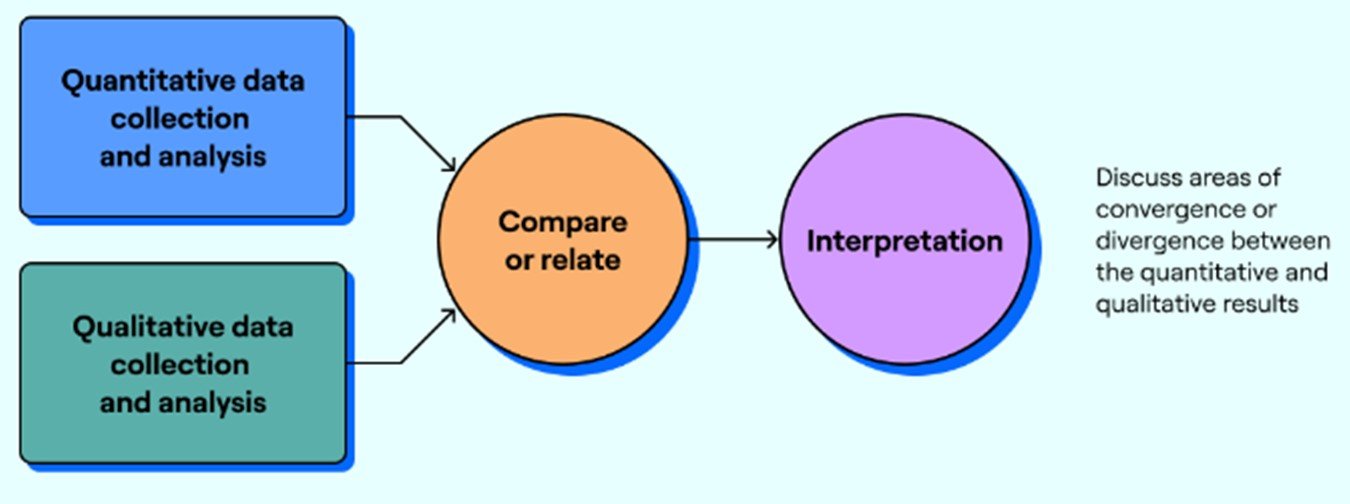
This study investigates the relationship between teachers’ digital competence and the integration of educational technology as key determinants of sustainable digital transformation in schools. Grounded in the theoretical frameworks of TPACK, SAMR, DigCompEdu, and Rogers’ Diffusion of Innovation, the research aims to identify how teachers’ knowledge, skills, and pedagogical capacities influence the meaningful use of digital tools in classroom practice. A mixed-methods approach was employed, combining quantitative analysis of teacher competence levels with qualitative insights from interviews and classroom observations. The findings indicate that teachers generally demonstrate moderate-to-high proficiency in basic digital skills and technology-supported instruction; however, their abilities in digital pedagogical design, data-driven decision-making, and innovative technology adaptation remain limited. The study reveals a strong positive relationship between teacher competence and the depth of technology integration, with pedagogical and collaborative competences emerging as the most influential predictors. Qualitative results further show that confident and digitally experienced teachers tend to adopt more transformative practices, while infrastructural constraints and organizational culture issues continue to hinder optimal implementation. Overall, the study concludes that sustainable digital transformation in education cannot rely solely on technological availability, but must be supported by continuous professional development, institutional support systems, and strategic policy alignment. This research contributes to the growing discourse on digital leadership and educational change by providing an evidence-based model for strengthening teacher competence as the foundation of long-term, meaningful digital innovation in schools.
References
Chen, R. (2024). A study applying Rogers innovation diffusion theory on the adoption process of new teaching methods in secondary education. Research and Advances in Education, 3(2), 6–10.
Demartini, C. G., Benussi, L., Gatteschi, V., & Renga, F. (2020). Education and Digital Transformation: The Riconnessioni Project. IEEE Access, 8, 186233–186256.
Fernandez-Batanero, J. M., Montenegro-Rueda, M., Fernandez-Cerero, J., & Garcia-Martinez, I. (2022). Digital competences for teacher professional development. Systematic review. European Journal of Teacher Education, 45(4), 513–531.
Kaharuddin, A., García, J. G., Magfirah, I., & Yulismayanti, Y. (2025). Validating a TPCK-S Instrument for Hologram-Based Mathematics Teaching. Indonesian Journal on Learning and Advanced Education (IJOLAE).
Koehler, M., & Mishra, P. (2009). What is Technological Pedagogical Content Knowledge (TPACK). Contemporary Issues in Technology and Teacher Education, 9(1), 60–70.
Kokkinos, L. (2024). Revolutionizing education: The dynamic intersection of technology and learning. Educational Research (IJMCER), 6(1), 26–32.
Law, N. (2008). Teacher learning beyond knowledge for pedagogical innovations with ICT. In International handbook of information technology in primary and secondary education (pp. 425–434). Springer.
Masitoh, S. D., & Purbowati, D. (2024). Enhancing Teacher Professionalism in Indonesia: Challenges and Strategies for Digital Technology Utilization in the Society 5.0 Era. HEUTAGOGIA: Journal of Islamic Education, 4(2), 219–236.
Nevgi, A., Virtanen, P., & Niemi, H. (2006). Supporting students to develop collaborative learning skills in technology based environments. British Journal of Educational Technology, 37(6), 937–947.
OECD. (2019). An OECD learning framework 2030. In The future of education and labor (pp. 23–35). Springer.
Rahimi, R. A., & Oh, G. S. (2024). Rethinking the role of educators in the 21st century: navigating globalization, technology, and pandemics. Journal of Marketing Analytics, 12(2), 182–197.