Controversial Issue Learning Model: Social Studies Learning Outcomes at Elementary School

https://doi.org/10.51574/ijrer.v5i2.4386
Keywords:
Controversial Issue, Elementary School, Learning Model, Learning Outcomes, Social StudiesAbstract
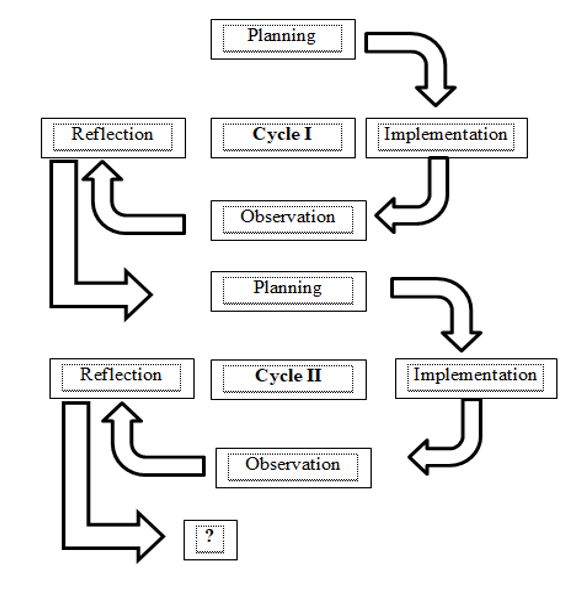
Innovative learning strategies are needed to help elementary school students understand complicated social studies topics like ethnic and religious diversity. This report is based on Nuruwe Christian Elementary School fourth graders' dismal learning outcomes. This study examines whether the controversial issue learning paradigm improves social studies learning in Nuruwe Christian Elementary School fourth graders. Two cycles of Classroom Action Research (CAR) were used. Each cycle includes planning, action, observation, and reflection. The study included 12 Nuruwe Christian Elementary School fourth graders. Testing, observation, and documentation using test and observation sheets acquired data. Data analysis was carried out using individual assessment techniques and calculating the average value of learning outcomes. The results of the study indicate that the application of the controversial issue learning model to the material about ethnic and religious diversity in my country can significantly improve student learning outcomes. This model has been proven to help teachers in presenting more dynamic and effective learning variations in the classroom. This study provides innovative learning strategies that assist teachers in creating meaningful and beneficial learning activities. In addition, this study enriches references regarding the use of controversial issues as educational media to increase student engagement and academic achievement at the elementary school level.
References
Azmi, C., Hadiyanto, H., & Rusdinal, R. (2023). National Curriculum Education Policy “Curriculum Merdeka And Its Implementation.” International Journal of Educational Dynamics, 6(1), 303–309. https://doi.org/10.24036/ijeds.v6i1.437
Baso, R. Z., Hamzah, R. A., & Tatroman, K. (2024). Curriculum Development Mechanism: An Analysis Adaptation of the Merdeka Curriculum in Elementary Schools. Madako Elementary School, 3(2), 199-215. https://doi.org/10.56630/mes.v3i2.255
Bintoro, A., Ambarita, A., & Pargito, P. (2021). Development Of Controversial Issues-Based Student Worksheet To Improve Student’s Social Skill Class Iv In Elementary School: The Development Of Controversial Issues-Based Student Worksheets To Improve Social Skills Of Students Class IV SD. JIP Jurnal Ilmiah PGMI, 7(1), 77-86. https://doi.org/10.19109/jip.v7i1.8751
Cahyo, E. D., & Kodariyati, L. (2018). Effectiveness Of The Use Of Learning Model Controversial Issues (CI) On Critical Thinking Ability. JHSS (JOURNAL OF HUMANITIES AND SOCIAL STUDIES), 2(2), 05-10. https://doi.org/10.33751/jhss.v2i2.901
Faizah, S. N. (2017). Hakikat belajar dan pembelajaran. At-Thullab: Jurnal Pendidikan Guru Madrasah Ibtidaiyah, 1(2), 175-185.
Fisabilillah, M. I., Ridwanulhaq, A. F., Masudah, N., Nur, I. M., Al Haris, M., & Amri, S. (2025). The Impact of Implementing the Independent Curriculum on Elementary School Students' Learning Outcomes. Jurnal Ilmiah Pendidikan dan Pembelajaran, 9(1), 43-52. https://doi.org/10.23887/jipp.v9i1.91548
Habsy, B. A., Nurjanah, I., Putri, S. A., & Naisyla, A. Z. (2024). The Basic Concept of Education: Fostering Understanding to Create Quality Learning. TSAQOFAH: Jurnal Penelitian Guru Indonesia, 4(6), 4204–4227.
Hermann, R. S. (2008). Evolution as a controversial issue: a review of instructional approaches. Science & Education, 17(8), 1011-1032. https://doi.org/10.1007/s11191-007-9074-x
Hunaepi, & Suharta, I. G. P. (2024). Transforming Education in Indonesia: The Impact and Challenges of the Merdeka Belajar Curriculum. Path of Science, 10(6), 5026–5039. https://doi.org/10.22178/pos.105-31
Hung, Y. H. (2020). Exploration of teachers’ personal practical knowledge for teaching controversial public issues in elementary school classrooms. The Journal of Social Studies Research, 44(3), 281-289. https://doi.org/10.1016/j.jssr.2020.04.001
Kauppi, V. M., & Drerup, J. (2021). Discussion and inquiry: A Deweyan perspective on teaching controversial issues. Theory and Research in Education, 19(3), 213-234. https://doi.org/10.1177/14778785211052199
Khalil, M. K., & Elkhider, I. A. (2016). Applying learning theories and instructional design models for effective instruction. Advances in physiology education, 40(2), 147-156. https://doi.org/10.1152/advan.00138.2015
Koul, S., & Nayar, B. (2021). The holistic learning educational ecosystem: A classroom 4.0 perspective. Higher Education Quarterly, 75(1), 98-112. https://doi.org/10.1111/hequ.12271
Marheni, W., Lestari, P. W., Sababalat, L., & Novalia, L. (2025). Perencanaan dan pelaksanaan pembelajaran yang efektif. Student Scientific Creativity Journal, 3(1), 48-56.
Nasrikin, R., Ruhimat, M., & Tarmedi, E. (2021). The Effect of Controversial Issues Model on Students’ Critical Thinking Skills in Social Studies Education. International Journal Pedagogy of Social Studies, 6(1), 69–78. https://doi.org/10.17509/ijposs.v6i1.23182
Nasution, E. M., Suci, F. P., & Rafiq, M. (2023). Penerapan Ruang Lingkup Pembelajaran IPS di Sekolah Dasar. Pema (Jurnal Pendidikan Dan Pengabdian Kepada Masyarakat), 2(3), 188–193. https://doi.org/10.56832/pema.v2i3.305
Ningrum, A. R., Hidayah, N., Utami, A. C., Hidayah, N., & Elfiah, R. (2024). Teacher's Pedagogical Competence in Implementing of Kurikulum Merdeka Belajar (Independent Learning Curriculum) in Elementary School. Jip Jurnal Ilmiah Pgmi, 10(1), 16-26. https://doi.org/10.19109/jip.v10i1.21857
Noddings, N., & Brooks, L. (2016). Teaching controversial issues: The case for critical thinking and moral commitment in the classroom. Teachers College Press.
Noor, T. (2018). Rumusan tujuan pendidikan nasional pasal 3 undang-undang sistem pendidikan nasional No 20 Tahun 2003. Wahana Karya Ilmiah Pendidikan, 2(01). https://journal.unsika.ac.id/index.php/pendidikan/article/view/1347
Nur, S., Azzahra, A., Ap, N., & Rahman, A. (2025). The Influence of the Controversial Issue Model on Students’ Opinion Expression Skills in Pancasila and Citizenship Education (PPKN) Learning for Elementary School Students. Pinisi Journal Of Education, 5(4), 1–13. https://journal.unm.ac.id/index.php/PJE/article/view/8824
Nurhidayah, Nurafaizah, & Nasaruddin, A. P. (2023). Pengaruh Model Controversial Issues Terhadap Kemampuan Berpikir Kreatif Siswa Sekolah Dasar Pada Pembelajaran Pendidikan Kewarganegaraan di Kota Makassar. Pinisi Journal Of Education, 3(6), 164–179. https://eprints.unm.ac.id/id/eprint/35296
Pratiwi, A. D., Amini, A., Nasution, E. M., Handayani, F., & Mawarny, N. P. (2023). Identifikasi Permasalahan Pembelajaran IPS di Semua Tingkat Pendidikan Formal (SD, SMP dan SMA). El-Mujtama: Jurnal Pengabdian Masyarakat, 3(2), 606–617. https://doi.org/10.47467/elmujtama.v3i3.2818
Rani, A. (2025). Education as an aspect of Development. RESEARCH REVIEW International Journal of Multidisciplinary, 10(1), 65–67. https://doi.org/10.31305/rrijm.2025.v10.n1.009
Rahmadani, E. L., Ningsih, F., Khaikal, F., Fortuna, G., & Juniarti, H. (2023). Urgency of Strengthening Social Sciences Education in Elementary Schools in Forming Good Citizens. MANDALIKA : Journal of Social Science, 1(2), 34–40. https://doi.org/10.56566/mandalika.v1i2.121
Shih, Y. H. (2024). Children’s learning for sustainability in social studies education: a case study from Taiwanese elementary school. In Frontiers in Education (Vol. 9, p. 1353420). Frontiers Media SA. https://doi.org/10.3389/feduc.2024.1353420
Siahaya, J., Muzarodin, I., Hidayat, Y., Sularsih, R., & Kurniawan, Y. A. (2025). Evaluation of Independent Curriculum Implementation Through Enhancement of Students’ Collaborative and Creative Skills. Journal of the American Institute, 2(10), 1410-1419. https://doi.org/10.71364/gqs9vb54
Solihatin, E., Maiwan, M., & Kardiman, Y. (2023). Development of Controversial Issues Learning Models in Improving Student's Critical Thinking Skills. Studies in Learning and Teaching, 4(3), 490-498. https://doi.org/10.46627/silet.v4i3.226
Spatıotı, A., Kazanıdıs, I., & Pange, J. (2023). Educational design and evaluation models of the learning effectiveness in e-learning process: a systematic review. Turkish Online Journal of Distance Education, 24(4), 318-347. https://doi.org/10.17718/tojde.1177297
Susanto, A., Qurrotaini, L., & Mulyandini, N. (2020). Peningkatan Kemampuan Berpikir Kritis Siswa Pada Mata Pelajaran IPS Melalui Model Controversial Issue. HOLISTIKA: Jurnal Ilmiah PGSD, 4(2), 71. https://doi.org/10.24853/holistika.4.2.71-76
Syamsidar, S., Rahmah, N., AR, M. A. M., Rizal, R., & Wilade, S. (2025). Implementation of the merdeka curriculum in a pioneer elementary school: a qualitative study of planning, pedagogy, and assessment practices. Journal of Innovation and Research in Primary Education, 4(4), 3221-3234. https://doi.org/10.56916/jirpe.v4i4.2322
Windasari, R., Lasmawan, I. W., & Kertih, I. W. (2024). Strategi Efektif untuk Mengatasi Permasalahan Pembelajaran IPS Bagi Guru Sekolah Dasar. Cetta: Jurnal Ilmu Pendidikan, 7(4), 54–68. https://doi.org/10.37329/cetta.v7i4.3667
Yuliana, Y., Rustan, R., Wisran, W., & Kartini, K. (2025). The Implementation of Merdeka Belajar Curriculum: Impact Toward Students’ Learning Outcomes at Islamic Middle School. ETDC: Indonesian Journal of Research and Educational Review, 4(4), 1380-1398. https://doi.org/10.51574/ijrer.v4i4.3766
Zainudin, A., Hepni, H., Nawangsari, D., & Ubaidillah, U. (2025). Analysis of the independent curriculum (independent learning, independent transformation, and independent sharing). FALASIFA: Jurnal Studi Keislaman, 16(01), 29-36. https://doi.org/10.62097/falasifa.v16i01.2054
Downloads
Published
How to Cite
Issue
Section
License
Copyright (c) 2026 Dean R. Matital, Elsinora Mahananingtyas, Leonid Ritiauw

This work is licensed under a Creative Commons Attribution-ShareAlike 4.0 International License.