The Influence of a Principal's Transformational Leadership Style on Teacher Performance in the Digital Era: A Case Study

https://doi.org/10.51574/ijrer.v5i1.4258
Keywords:
Case Study, Digital Era, Principal, Teacher Performance, Transformational LeadershipAbstract
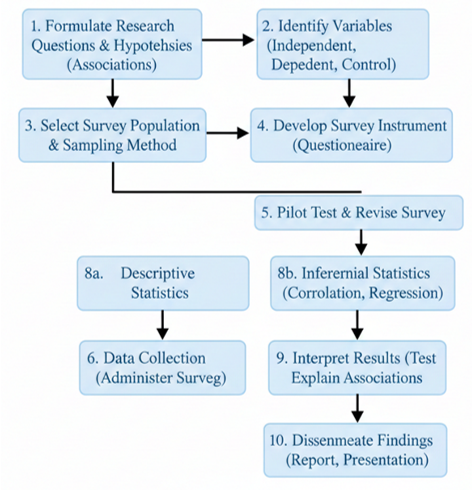
Transformational leadership is believed to enhance motivation and performance; however, it is essential to evaluate the efficacy of the high school principal's leadership style in motivating teachers, particularly in the integration of technology and the resolution of digital learning challenges. This study analyzes and empirically tests the principal's transformational leadership style on teacher performance at High School 2 Takalar, especially in the digital age when technology adaptation and learning innovation are crucial. This study uses a quantitative approach with an associative explanatory survey design. The total number of teachers at High School 2 Takalar is 78, with 21 men and 57 women. The research sample was determined using the Slovin Formula with a tolerance level of error of 10% (e = 0.10), resulting in a minimum of 44 respondents. Data was collected through a closed questionnaire and analyzed using simple linear regression statistical techniques. The study found a positive and significant relationship between principal transformational leadership and teacher performance. Teacher performance in technology adaptation, learning innovation, and main task implementation improved significantly with increased transformational leadership dimensions like idealized influence, inspirational motivation, intellectual stimulation, and individualized consideration. This research endorses the transformational leadership model within the context of 21st-century education characterized by digital predominance. This case study offers practical advice for High School 2 Takalar's principal and other educators on how to use transformational leadership to boost teacher professionalism and performance in the digital age.
References
Abbasi, S., Kiran, S., Akhtar, K., & Mahnaz, W. (2025). Transactional Leadership and Change Sustainability: Evaluating Principals’ Long Term Impact on School Development. Indus Journal of Social Sciences, 3(1), 622-636. https://doi.org/10.59075/ijss.v3i1.751
Ahmad, R., & Saad, M. (2020). The impact of Malaysian public sector in the relationship between transformational leadership styles and career development. International Journal of Public Administration, 43(3), 203-212. https://doi.org/10.1080/01900692.2019.1627555
Ahmed, A. A. (2024). The Impact of Principal Leadership Styles on Teachers’ Job Performance in Primary Schools. Human Nature Journal of Social Sciences, 5(3), 173-181. https://hnpublisher.com/ojs/index.php/HNJSS/article/view/547
Ali, E. Y., & Susilawati, D. (2025). Principal leadership style on teacher performance in elementary school environment. Profesi Pendidikan Dasar, 12(1), 1-12. https://doi.org/10.23917/ppd.v12i1.8885
Alzoraiki, M., Ahmad, A. R., Ateeq, A. A., Naji, G. M. A., Almaamari, Q., & Beshr, B. A. H. (2023). Impact of teachers’ commitment to the relationship between transformational leadership and sustainable teaching performance. Sustainability, 15(5), 4620. https://doi.org/10.3390/su15054620
Akrim, A. (2022). A new direction of Islamic education in Indonesia: Opportunities and challenges in the Industrial Revolution Era 4.0. Edukasi Islami: Jurnal Pendidikan Islam, 11(01), 35-48. https://doi.org/10.30868/ei.v11i01.1799
Andersen, L. B., Bjørnholt, B., Bro, L. L., & Holm-Petersen, C. (2018). Achieving high quality through transformational leadership: A qualitative multilevel analysis of transformational leadership and perceived professional quality. Public Personnel Management, 47(1), 51-72. https://doi.org/10.1177/0091026017747270
Awaludin, A., & Fatmawati, F. (2025). Principal's Leadership Style: Impact on Student Motivation and Teacher Performance. https://doi.org/10.37641/jimkes.v13i4.3442
Damanik, J., & Widodo, W. (2024). Unlocking teacher professional performance: exploring teaching creativity in transmitting digital literacy, grit, and instructional quality. Education Sciences, 14(4), 384. https://doi.org/10.3390/educsci14040384
Darmawan, P. D., Aziz, M. F. R., & Aini, K. (2025). Kesenjangan Akses Teknologi di Sekolah: Tantangan dan Solusi dalam Penggunaan Media Pembelajaran Digital Berbasis E-Learning. Zaheen: Jurnal Pendidikan, Agama dan Budaya, 1(2), 1-12. https://jurnalinspirasimodern.com/index.php/Zaheen/article/view/84
Day, C., Gu, Q., & Sammons, P. (2016). The impact of leadership on student outcomes: How successful school leaders use transformational and instructional strategies to make a difference. Educational administration quarterly, 52(2), 221-258. https://doi.org/10.1177/0013161X15616863
Esisuarni, E., Jasrial, J., & Sulastri, S. (2024). The Role of Technology in Enhancing School Principals' Leadership Effectiveness: A Literature Reviews. International Journal of Educational Dynamics, 7(1), 24-29. https://doi.org/10.24036/ijeds.v7i1.502
Falloon, G. (2020). From digital literacy to digital competence: the teacher digital competency (TDC) framework. Educational technology research and development, 68(5), 2449-2472. https://doi.org/10.1007/s11423-020-09767-4
Fitrianti, E., & Annur, S. (2024). Revolusi Industri 4.0: Inovasi dan Tantangan dalam Pendidikan di Indonesia. Journal of Education and Culture, 4(1), 28-35. https://doi.org/10.58707/jec.v4i1.860
Flores, M. A., Day, C., Gu, Q., Cadime, I., Machado, E. A., Fernandes, E. L., & Ferreira, F. I. (2025). How Personal, Professional and Contextual Factors Influence Portuguese Principals’ Leadership Practices. Leadership and Policy in Schools, 1-19. https://doi.org/10.1080/15700763.2025.2577117
Hai, T. H., Van, Q. N., & Tuyet, M. N. T. (2022). An empirical study of principals' leadership styles with faculty commitment. Emerging Science Journal, 6(3), 603-618.
Hudson, M. (2025). Principal leadership development: a collective impact approach. School-University Partnerships, 18(1), 155-175. https://doi.org/10.1108/SUP-10-2024-0028
Hulu, Y. (2023). Problematika guru dalam pengembangan teknologi dan media pembelajaran. ANTHOR: Education and Learning Journal, 2(6), 840-846. https://doi.org/10.31004/anthor.v2i6.285
Karakose, T., Polat, H., & Papadakis, S. (2021). Examining teachers’ perspectives on school principals’ digital leadership roles and technology capabilities during the COVID-19 pandemic. Sustainability, 13(23), 13448. https://doi.org/10.3390/su132313448
Khan, I. U., Amin, R. U., & Saif, N. (2022). Individualized consideration and idealized influence of transformational leadership: Mediating role of inspirational motivation and intellectual stimulation. International Journal of Leadership in Education, 1-11. https://doi.org/10.1080/13603124.2022.2076286
Kołodziejczyk, J. (2025). Impact of the leadership styles of school principals on bullying victimization and perpetration among youth. BMC Public Health, 25(1), 602. https://doi.org/10.1186/s12889-025-21556-3
Labrague, L. J. (2024). Relationship between transformational leadership, adverse patient events, and nurse-assessed quality of care in emergency units: The mediating role of work satisfaction. Australasian Emergency Care, 27(1), 49-56. https://doi.org/10.1186/s12889-025-21556-3
Lee, M. C., & Ding, A. Y. (2020). Comparing empowering, transformational, and transactional leadership on supervisory coaching and job performance: A multilevel perspective. PsyCh journal, 9(5), 668-681. https://doi.org/10.1002/pchj.345
Li, L., & Liu, Y. (2022). An integrated model of principal transformational leadership and teacher leadership that is related to teacher self-efficacy and student academic performance. Asia Pacific Journal of Education, 42(4), 661-678. https://doi.org/10.1080/02188791.2020.1806036
Marzuki, M., & Samsuri, S. (2022). The strategy of three education centers for strengthening character education in Indonesia in the era of Industrial Revolution 4.0. Jurnal Civics: Media Kajian Kewarganegaraan, 19(1), 119-133.
Mincu, M., Colman, A., Day, C., & Gu, Q. (2024). Lessons from two decades of research about successful school leadership in England: A humanistic approach. Education Sciences, 14(2), 187. https://doi.org/10.3390/educsci14020187
Muchabaiwa, W., Zishiri, C., & Jekese, G. (2024). Investigating the ICT competencies of school-based mentors and ICT infrastructure at student teachers’ placement schools: a case study of Higlen District, Harare. Cogent Education, 11(1), 2422222. https://doi.org/10.1080/2331186X.2024.2422222
Pardosi, J., & Utari, T. I. (2022). Effective principal leadership behaviors to improve the teacher performance and the student achievement. F1000Research, 10, 465. https://doi.org/10.12688/f1000research.51549.2
Rasdiana, Wiyono, B. B., Imron, A., Rahma, L., Arifah, N., Azhari, R., ... & Maharmawan, M. A. (2024). Elevating teachers’ professional digital competence: synergies of principals’ instructional e-supervision, technology leadership and digital culture for educational excellence in digital-savvy era. Education Sciences, 14(3), 266. https://doi.org/10.3390/educsci14030266
Retnawati, H. (2016). Proving content validity of self-regulated learning scale (The comparison of Aiken index and expanded Gregory index). REiD (Research and Evaluation in Education), 2(2), 4.
Rodriguez, R. A., Green, M. T., Sun, Y., & Baggerly‐Hinojosa, B. (2017). Authentic leadership and transformational leadership: An incremental approach. Journal of Leadership Studies, 11(1), 20-35. https://doi.org/10.1002/jls.21501
Ruloff, M., & Petko, D. (2025). School principals’ educational goals and leadership styles for digital transformation: results from case studies in upper secondary schools. International Journal of Leadership in Education, 28(2), 422-440. https://doi.org/10.1080/13603124.2021.2014979
Şahin, N., & Bilir, F. P. (2024). The effect of transformational leadership and personal cultural values on creating a learning organization. Humanities and Social Sciences Communications, 11(1), 1-9. https://doi.org/10.1057/s41599-024-02701-6
Saifullah, A. M. M., Karnati, N., & Arbah, F. (2024). Bagaimana Peran Kepemimpinan Transformasional, Technological Pedagogical Content Knowledge, dan Efkasi Diri Dalam Meningkatkan Kinerja Guru?. Penerbit Adab.
Shen, J., & Wu, H. (2025). The relationship between principal Leadership and Student Achievement: a Multivariate Meta-Analysis with an emphasis on conceptual models and methodological approaches. Educational Administration Quarterly, 61(2), 234-281. https://doi.org/10.1177/0013161X241286527
Siahaan, A., Aswaruddin, A., Maulidayan, M., Zaki, A., Sari, N., & Rahman, A. A. (2023). Principal leadership ethics as a role model in high school. Al-Ishlah: Jurnal Pendidikan, 15(3), 2834-2845.
Timotheou, S., Miliou, O., Dimitriadis, Y., Sobrino, S. V., Giannoutsou, N., Cachia, R., ... & Ioannou, A. (2023). Impacts of digital technologies on education and factors influencing schools' digital capacity and transformation: A literature review. Education and information technologies, 28(6), 6695-6726. https://doi.org/10.1007/s10639-022-11431-8
Tołwińska, B. (2021). The role of principals in learning schools to support teachers’ use of digital technologies. Technology, Knowledge and Learning, 26(4), 917-930. https://doi.org/10.1007/s10758-021-09496-4
Triantoro, R. P., Mawardi, M. F., Arnafama, P. M. H., Suriansyah, A., & Purwanti, R. (2025). Kebijakan Pendidikan di Era Revolusi Industri 4.0: Analisis Literatur terhadap Integrasi Teknologi dalam Kurikulum. Jurnal Ilmiah Pendidik Indonesia, 4(1), 81-95.
Tschannen-Moran, M., & Gareis, C. R. (2017). Principals, trust, and cultivating vibrant schools. In How school leaders contribute to student success: The four paths framework (pp. 153-174). Cham: Springer International Publishing. https://doi.org/10.1007/978-3-319-50980-8_8
Variani, H., Al Qadri, H., & Nellitawati, N. (2024). Pengaruh kepemimpinan transformasional terhadap pengembangan sumber daya manusia di sebuah satuan pendidikan. Academy of Education Journal, 15(1), 991-1000. https://doi.org/10.47200/aoej.v15i1.2356
Vermeulen, M., Kreijns, K., van Buuren, H., & Van Acker, F. (2017). The role of transformative leadership, ICT‐infrastructure and learning climate in teachers' use of digital learning materials during their classes. British Journal of educational technology, 48(6), 1427-1440. https://doi.org/10.1111/bjet.12478
Yakob, M., Sahudra, T. M., & Sukirno, S. (2025). Transformational Leadership of Principals: Driving Excellence in Education Quality. Al-Ishlah: Jurnal Pendidikan, 17(1), 1658-1667. https://doi.org/10.35445/alishlah.v17i1.6887
Young, H. R., Glerum, D. R., Joseph, D. L., & McCord, M. A. (2021). A meta-analysis of transactional leadership and follower performance: Double-edged effects of LMX and empowerment. Journal of management, 47(5), 1255-1280.
Ystaas, L. M. K., Nikitara, M., Ghobrial, S., Latzourakis, E., Polychronis, G., & Constantinou, C. S. (2023). The impact of transformational leadership in the nursing work environment and patients’ outcomes: a systematic review. Nursing Reports, 13(3), 1271-1290.
Yuda, M. S., Rachmawati, I., & Sugihartto, S. (2023). Transformational Leadership Style Of Principals In Primary Schools. International Journal of Economics (IJEC), 2(2), 211-221.
Wijaya, P., Ardiansyah, M., & Marzuki, K. (2025). Pengaruh Gaya Kepemimpinan Spiritual Dan Transformasional Kepala Sekolah Terhadap Kinerja Guru. Jambura Journal of Educational Management, 333-351.
Wulaningrum, L. P., Muhimmah, H. A., & Hariyati, N. (2025). Principal Management and Its Impact on Teacher Performance in Elementary School Learning: Systematic Literature Review. Journal of Innovation and Research in Primary Education, 4(3), 630-639.
Downloads
Published
How to Cite
Issue
Section
License
Copyright (c) 2025 Sitti Habibah, Agussalim Juhari

This work is licensed under a Creative Commons Attribution-ShareAlike 4.0 International License.