Islamic Legal Education and Social Transformation: A Study of Community's Critical Acceptance of the "Uang Pelangkah" Tradition

https://doi.org/10.51574/ijrer.v5i1.3985
Keywords:
Critical Acceptance, Fiqh Munakahat, Islamic Law Education, Social Transformation, Uang PelangkahAbstract
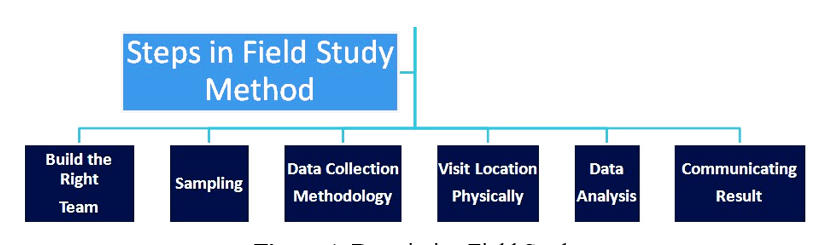
This article examines the tension between Islamic Law (Fiqh Munakahat) and the traditional Uang Pelangkah tradition in Palembang, particularly in Indralaya District. Uang Pelangkah has shifted from an ethical symbol to a burdensome financial requirement that contradicts the principle of taysir (ease) in Islamic marriage, creating a burden on the prospective bride and groom. This study seeks to examine the function of Islamic Legal Education (ILE) as a driver of social transformation and to delineate the manifestations of critical acceptance within the Palembang community regarding the burdensome elements of the Uang Pelangkah tradition. The study uses a descriptive qualitative approach with field research methods. Primary data were collected through in-depth interviews and observations of young couples, traditional leaders, and ILE academics in Indralaya, Ogan Ilir. The results indicate that ILE is effective in forming critical reasoning that triggers the community to actively negotiate the tradition. This critical acceptance is manifested in the form of a drastic decrease in the nominal value, the conversion of Uang Pelangkah into a beneficial gift, or its neglect by the woman's family. As a result, ILE has succeeded in transforming mandatory customary norms into optional ethical norms that align with the maqasid al-shari'ah. This article contributes to the field of Islamic sociology of law by offering a critical reception model as an intelligent mediation mechanism between sharia and custom and affirming the ILE as a central agent in reforming social norms at the grassroots level.
References
Albab, M. U., & Izzuddin, A. (2025). Interfaith Marriage in Islamic Law and Positive Law in Indonesia: A Study of the Conditions and Pillars. AL-WIJDÃN Journal of Islamic Education Studies, 10(1), 131-161. https://doi.org/10.58788/alwijdn.v10i1.6190
Alhkarni, A., & Yuriska, N. (2024). Minangkabau customary marriage traditions: Integration of custom and Sharia principles in the perspective of Islamic law. USRATY: Journal of Islamic Family Law, 2(2), 124-133. https://ejournal.uinbukittinggi.ac.id/usraty/article/view/8834
Aminudin, A., Rokan, M. K., & Zulham, Z. (2025). Pengaruh Globalisasi Terhadap Perubahan Nilai Perkawinan Keluarga Islam di Indonesia. Rechtsnormen Jurnal Komunikasi dan Informasi Hukum, 3(2), 61-69. https://doi.org/10.56211/rechtsnormen.v3i2.807
Andri, G. Y., Nandar, A. P., Wibisono, B., Hardjowikarto, D., Suhaeni, E., Angwarmase, R., & Kartini, M. (2024). Marriage legalization: Preserving the customary marriage tradition of the ethnic Chinese community in Cirebon City. Interdisciplinary Social Studies, 4(1), 10-20. https://doi.org/10.55324/iss.v4i1.731
Andriati, S. L., Sari, M., & Wulandari, W. (2022). Implementasi perubahan batas usia perkawinan menurut uu no. 16 tahun 2019 tentang perubahan atas uu no. 1 tahun 1974 tentang perkawinan. Binamulia Hukum, 11(1), 59-68. https://doi.org/10.37893/jbh.v11i1.306
Asmi, A. R., & Susanti, H. (2021). Pergeseran Tata Cara Pelaksanaan Adat Pernikahan di Palembang 1990-2010 (Shifts in Procedures for Implementing Traditional Marriages in Palembang 1990-2010). Mozaik, 21(2), 239-252. https://doi.org/10.20473/mozaik.v21i2.22816
Asrin, A. (2024). Islamic Education In Non-Formal Institutions: The Role of Majelis Taklim Based on Indonesian Local Wisdom. Fitrah: Journal of Islamic Education, 5(2), 185-200. https://doi.org/10.53802/fitrah.v15i2.1081
Chandra, A. N., & Efrianto, G. (2023). Analisis Yuridis terhadap Uang Pelangkah Pernikahan Adat Betawi di Bekasi Ditinjau dari Hukum Adat dan Hukum Islam. Jurnal Hukum Sasana, 9(2), 377-400. https://doi.org/10.31599/mmh32098
Elaies, R. S. (2025). The Tradition of Capture Marriage in Sumba: A Review from the Perspective of Indonesian Positive Law. Jurnal Ilmu Hukum Kyadiren, 6(2), 82-92. https://doi.org/10.46924/jihk.v6i2.237
Fahmi, R. A. (2024). Recent Trends on Study of History of Islam in Indonesia. Journal of Philology and Historical Review, 2(1), 75-93. https://orcid.org/0000-0003-1777-5358
Faizi, H. F. S., & Ali, H. S. (2024). The core principles of Islamic jurisprudence within legal theory: A comprehensive analysis. Online Journal of Research in Islamic Studies, 11(2), 57-72. https://doi.org/10.22452/ris.vol11no2.4
Gegana, T. A., & Zaelani, A. Q. (2022). Pandangan urf terhadap tradisi mitu dalam pesta pernikahan adat batak. El-Izdiwaj: Indonesian Journal of Civil and Islamic Family Law, 3(1), 18-32. https://doi.org/10.24042/el-izdiwaj.v3i1.12495
Hanson, M. (2001). Institutional theory and educational change. Educational administration quarterly, 37(5), 637-661. https://doi.org/10.1177/00131610121969451
Harahap, S. (2020). Metode Istinbat Fiqih Kontemporer Ijtihad Jama’i (Ijtihad Kolektif) Dan Kehujjahannya. HUKUMAH: Jurnal Hukum Islam, 3(2), 128-140. http://dx.doi.org/10.55403/hukumah.v3i2.231
Huda, A., & Hidayati, I. N. (2022). Ijtihad Sebagai Model Pengembangan Hukum Islam. JAS MERAH: Jurnal Hukum dan Ahwal al-Syakhsiyyah, 1(2), 15-26. https://ejournal.staidapondokkrempyang.ac.id/index.php/jmjh/article/view/140
Ilyas, S. (2024). Dinamika Hukum Keluarga Islam Di Indonesia: Antara Tradisi, Syariah, Dan Hukum Positif. Jurnal Tahqiqa: Jurnal Pemikiran Hukum Islam, 18(1), 134-146. https://jurnal.stisalhilalsigli.ac.id/index.php/tahqiqa/article/view/290
Kumar, H. (2024). Education And Social Change: The Role of School Inshaping Societal Values. Multidisciplinary Aspects of Education.
Laili, R. (2025). Penentuan Uang Pelangkah Di Era Milenial Dalam Perspektif ‘Urf (Studi Kasus di Desa Surabaya Udik Kecamatan Sukadana Kabupaten Lampung Timur) (Doctoral dissertation, UIN Raden Intan Lampung).
Laleye, A. M. (2022). Practical and Technological skills: An inevitable social engineering tool for sustainable development. European Journal of Education and Pedagogy, 3(2), 171-177. http://dx.doi.org/10.24018/ejedu.2022.3.2.318
Li, H., Yuan, Y., Zhang, X., Li, Z., Wang, Y., & Hu, X. (2022). Evolution and transformation mechanism of the spatial structure of rural settlements from the perspective of long-term economic and social change: A case study of the Sunan region, China. Journal of Rural Studies, 93, 234-243. https://doi.org/10.1016/j.jrurstud.2019.03.005
Mafruhah, A. Z., Afifah, Y. A., Hasbiyallah, H., & Farida, I. (2022). Analisis Kemampuan Berpikir Kritis Siswa Terhadap Materi Munakahat Pada Pembelajaran Fiqih. Almarhalah: Jurnal Pendidikan Islam, 6(2), 165-176. https://journal.almarhalah.ac.id/index.php/almarhalah/article/view/19
Magfiroh, A. A., Irfan, M. N., Rahmat, R., & Ruhaya, B. (2023). Formal, Non-formal, and Informal Islamic Education Institutions and Islamic Education Figures in Indonesia. Journal of Indonesian Islamic Studies, 2(2), 46-60. https://doi.org/10.24256/jiis.v2i2.4056
Maimun, M. (2024). Fiqh Jinayah Sebagai Landasan Pendidikan Hukum Islam untuk Meningkatkan Kesadaran Hukum di Kalangan Mahasiswa. Jurnal Al-Mizan, 11(2), 369-380. https://doi.org/10.54621/jiam.v11i2.925
Masyithoh, N. D., & Habib, M. A. (2024). Sacralism of Customary Law in Marriage: Local and National Legal Contestation in Indonesia. Walisongo Law Review (Walrev), 6(1), 42-55. https://doi.org/10.21580/walrev.2024.6.1.22670
Nashih, M. M. (2025). Sociological Analysis of Islamic Law on the Relationship between Adat Law, Ethics, and Human Rights in the Context of Modern Indonesia. Law and Judicial Review, 1(2), 90-108. https://doi.org/10.70764/gdpu-ljr.2025.1(2)-08
Nst, A. S. (2025). National Law: Sharia Law as an Instrument for Protecting Human Rights (HAM) in Islam. Jurnal Hukum dan Keadilan, 2(6), 93-104. https://doi.org/10.61942/jhk.v2i6.463
Nurozi, A., Sary, B. M., Nuraziimah, M. F., Walijah, N., & Achmad, M. (2022). Establish Family Card Towards Unregistered Marriage Couple (Implications of Law No. 1 Of 1974 And Compilation of Islamic Law). KnE Social Sciences, 219-227. https://doi.org/10.18502/kss.v7i10.11360
Putra, R. F. (2022). Tradisi Pembayaran Uang Pelangkah Dalam Perkawinan (Studi Kasus di Desa Gunung Batu, Kabupaten Oku Timur). 'Aainul Haq: Jurnal Hukum Keluarga Islam, 2(1). https://ejournal.an-nadwah.ac.id/index.php/ainulhaq/article/view/400
Ramadhani, I., & Sulistiyaningsih, N. (2025). The Legal Status of Children in Unreligious Marriage Divorces: Problems and Challenges. El-Izdiwaj: Indonesian Journal of Civil and Islamic Family Law, 6(1), 25-45. https://doi.org/10.24042/vccfbe74
Rayner, C., & Bonnici, F. (2021). The systems work of social change: How to harness connection, context, and power to cultivate deep and enduring change. Oxford University Press.
Setyanto, A. R. (2022). Tradisi Langkahan Dalam Pernikahan Adat Lampung Perspektif Al-‘Urf. Sakina: Journal of Family Studies, 6(1). https://urj.uin-malang.ac.id/index.php/jfs/article/view/1103
Showkat, A. (2023). The principle and practice of Mahr in Muslim marriages. Feminist Theology, 31(2), 197-209. https://doi.org/10.1177/09667350221134992
Sofiana, A., Sinta, P. A., Gumiri, E. R., & Musa, N. (2022). Tradisi Segheh Dalam Perkawinan Adat Lampung Perspektif ‘Urf dan Maslahah Mursalah. El Izdiwaj: Indonesian Journal of Civil and Islamic Family Law, 3(2), 73-92.
Thalib, M. C. (2023). Implications of Mixed Marriage in the Perspective of Gorontalo Customary Law and Its Reality based on International Private Law Principles. Jambura Law Review, 5(1), 179-198. https://doi.org/10.33756/jlr.v5i1.16798
Trippestad, T. A. (2017). The visionary position: Critical factors of utopian social engineering in education reforms. The struggle for teacher education. International perspectives on governance and reforms, 17-38.
Turmudi, M. (2014). Ijtihad pada masa kontemporer (konteks pemikiran Islam dalam fiqh dan ushul fiqh). Tribakti: Jurnal Pemikiran Keislaman, 25(1). https://doi.org/10.33367/tribakti.v25i1.149
Downloads
Published
How to Cite
Issue
Section
License
Copyright (c) 2025 Ahda Sabila, Alamsyah Alamsyah, Arif Fikri

This work is licensed under a Creative Commons Attribution-ShareAlike 4.0 International License.